The psychology behind high-stakes gambling decisions
The thrill of risk-taking
High-stakes gambling inherently involves significant risk, creating a thrill that many find exhilarating. This excitement stems from the brain’s reward system, where dopamine release plays a crucial role. As individuals place their bets, they anticipate potential wins, and the rush from high-stakes play can be intoxicating. This biochemical response can lead to a cycle of risk-seeking behavior, where players feel compelled to chase that initial high, often disregarding potential losses. Among the best ways to enhance your experience is to explore options like payid australian casino, which provide quick and secure transactions.
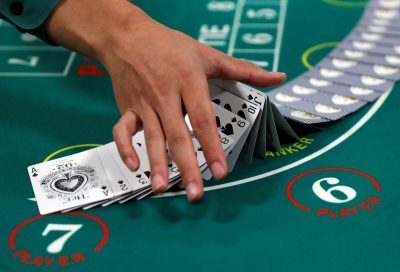
Moreover, the environment of a casino is meticulously designed to enhance this sensation. Bright lights, vivid sounds, and stimulating visuals create an immersive experience that can amplify one’s emotional state. The architecture of casinos encourages players to linger, heightening their desire to gamble. The combination of sensory stimuli can manipulate perceptions of risk and reward, making high-stakes decisions feel more thrilling, even when the odds are not in the player’s favor.
Many gamblers also experience a phenomenon known as “loss chasing,” where they continue to gamble in an attempt to recover previous losses. This behavior can be driven by the psychological notion of sunk costs, leading individuals to invest more in the hopes of turning around their luck. Understanding these psychological triggers is essential for recognizing why players often engage in reckless behavior in high-stakes scenarios, despite knowing the risks involved.
One significant aspect of the psychology behind high-stakes gambling is the impact of cognitive biases. Gamblers frequently fall victim to biases such as the gambler’s fallacy, which leads them to believe that past outcomes affect future probabilities. For instance, a player may think that after a string of losses, a win is “due” to happen. This misconception can lead to poor decision-making and increased risk-taking, pushing individuals to wager larger sums than they typically would.
Another cognitive bias prevalent among gamblers is overconfidence. Players often overestimate their skill or knowledge about a game, leading them to take greater risks. This overconfidence can diminish their ability to assess odds accurately and make rational decisions. In high-stakes environments, where emotions run high, this bias can become even more pronounced, resulting in significant financial consequences for the player.
Additionally, anchoring bias can influence decisions in gambling. When a player fixates on a particular outcome, they may base future decisions solely on that initial reference point. For example, if a player wins a substantial amount early in a game, they might anchor their expectations to that win, leading to increased wagers in subsequent rounds, even if the situation has changed. These cognitive biases contribute to the complexity of decision-making in high-stakes gambling, often resulting in ill-fated choices.
Emotions play a significant role in the decisions gamblers make, especially in high-stakes situations. The adrenaline rush associated with betting large amounts can trigger a powerful emotional response, clouding judgment. Players often become consumed by excitement or anxiety, impacting their ability to think critically. These heightened emotions can lead to impulsive decisions, where gamblers act without fully weighing the potential consequences of their actions.
Furthermore, emotional attachment to money can complicate high-stakes gambling decisions. For many players, money represents more than just a means to an end; it carries emotional significance. The fear of losing money can lead to stress and irrational decision-making. In contrast, the joy of winning can create a false sense of security, pushing players to stake even more. This emotional volatility can result in a rollercoaster of highs and lows that can be difficult to navigate.
Additionally, social factors contribute to emotional responses in gambling settings. The presence of peers can amplify feelings of competitiveness and the desire to impress others. In high-stakes games, this social pressure can escalate risk-taking behavior, as players may feel compelled to make larger bets to demonstrate their prowess. Understanding these emotional dynamics is essential for grasping the complexities of high-stakes gambling decisions.
Gambling addiction is a critical aspect to consider when exploring high-stakes gambling decisions. Individuals with gambling disorders often experience a compulsive need to wager, regardless of the consequences. This addiction can distort decision-making, causing players to chase losses and ignore the financial fallout. The brain’s reward system becomes hijacked, reinforcing the cycle of gambling behavior that can be difficult to break.
High-stakes environments can exacerbate addiction issues, as the potential for large payouts often entices those struggling with gambling problems. The thrill of winning can momentarily mask underlying issues, leading individuals deeper into their addiction. As the stakes increase, so do the emotional and financial risks, creating a vicious cycle that can lead to severe personal and financial consequences.
Furthermore, understanding the psychological aspects of addiction can lead to better support systems for those affected. Therapies focused on cognitive-behavioral strategies can help individuals recognize their destructive patterns and develop healthier coping mechanisms. By addressing the root causes of gambling addiction, it becomes possible to break free from the cycle of high-stakes gambling and make more informed decisions.

Understanding the psychology behind high-stakes gambling decisions is crucial for players seeking to navigate this complex landscape. As the gaming industry evolves, numerous online platforms offer exciting options for both novice and experienced players. By recognizing the psychological influences at play, individuals can make informed choices that enhance their overall gaming experience.
Our platform provides comprehensive insights into the best online casinos, focusing on user-friendly experiences, payout speeds, and bonuses. Armed with this knowledge, players can choose casinos that align with their gaming preferences while maintaining a clear understanding of the psychological dynamics that can impact their decisions. Whether you are seeking thrilling high-stakes play or a casual gaming environment, informed choices lead to a more enjoyable experience.
In conclusion, the interplay of psychology and gambling creates a fascinating yet challenging landscape. By understanding emotional triggers, cognitive biases, and addiction’s impact, players can approach high-stakes gambling with greater awareness and control. With the right resources and insights, you can elevate your gaming journey and make choices that enhance your enjoyment and minimize risk.
“`